




Blenheim Palace completes landmark £12m restoration, safeguarding 300 years of history

- Two-year restoration comes to an end
- Famous statue of Britannia can be seen once again standing atop the Palace
- Great Court’s columns now exposed, allowing visitors to see the recognisable view of the 300-year-old Palace
With work now complete on the major two-year £12 million restoration project, visitors have a renewed opportunity to experience Britain’s Greatest Palace in all its glory.
The largest single conservation project in Blenheim Palace’s 300-year history, designed and coordinated by Donald Insall Associates, was essential to not only repair and replace the lead, slate and timber roof and surrounding Corinthian limestone facades, but help protect the internationally important oil-painted ceilings and walls of the Great Hall and Saloon, baroque masterpieces by James Thornhill and Louis Laguerre respectively, which were at risk of irreversible harm.
The ambitious programme of essential repairs to the Palace roof, which began in early 2025, has been designed to protect the UNESCO World Heritage Site for future generations, while also revealing and restoring architectural and artistic details across the Palace.
While the essential work was taking place, visitors were able to enjoy never-before-seen panoramic views from a custom-built platform - the Rooftop View allowed once in a lifetime vistas over the Great Court, Grand Bridge, Column of Victory, and the Oxfordshire countryside.
Looking beyond immediate repairs, the project has strengthened the Palace’s resilience to the changing climate. Enlarged gutters improve rainwater drainage during periods of heavy rainfall, while carefully detailed insulation and ventilation help protect the historic fabric and improve the performance of the roofscape. These measures have been integrated into the conservation of the lead, slate, timber and limestone, ensuring the Palace is better equipped to face future challenges while preserving its architectural character.
The project has also safeguarded two of the Palace’s most significant Baroque interiors: the Great Hall, with its oil-painted ceiling by Sir James Thornhill, and the Saloon, featuring the work of Louis Laguerre. Both were at risk of irreversible damage from water ingress. Years of detailed study, condition surveys and specialist conservation have informed their careful protection and treatment. Delivering these two major conservation projects concurrently, alongside the extensive roof restoration, has been a huge undertaking, helping secure these internationally important works of art for future generations, with thanks to The National Lottery Heritage Fund.
One of the most striking transformations has been the restoration of the Palace’s Corinthian limestone capitals and the elaborate pediment above the North Portico. Centuries of weathering had eroded these intricate architectural features, with significant detail lost from the carved stonework. Specialist conservators painstakingly repaired and reinstated damaged details, bringing renewed definition to the craftsmanship and sculptural richness of the façade. This careful work has revealed the artistry of the original design while preserving these defining features of Blenheim Palace for future generations.
Heather Carter, Managing Director - Heritage Businesses at Blenheim Palace, said: “The success of this project is the result of an exceptional collaborative effort across a whole team of specialists, from our conservation architects, engineers and consultants to our own project delivery, heritage, operations and maintenance teams, all working together behind the scenes to protect and restore this extraordinary building for future generations. It’s been a massive effort. We are so grateful for the continued support of our visitors, whose contributions are vital to the success of the initiative."
Kelly O’Driscoll, Head of Built Heritage at Blenheim Palace, said: “This has been an extraordinary project to be part of, and the quality of what the whole team has achieved has exceeded what we could have hoped for. From the outset, our ambitions were not simply to repair the fabric, but to make Blenheim Palace more resilient to a changing climate, deepen our understanding of the building and create knowledge that could support its care long into the future. The time invested in monitoring, investigating and understanding the building before work began has been fundamental to that. The physical work may be reaching completion, but the knowledge, skills and resilience created through it will continue to shape how we care for the Palace.”
Edward Lewis, Practice Director at Donald Insall Associates, said: “The completion of Blenheim Palace's roof restoration is about far more than repairing one of Britain's most important historic buildings. We leave the physical fabric significantly more robust than we found it, without loss of heritage significance. As we hand over the work, Blenheim’s digital twin - a sophisticated, virtual model of the 300-year-old World Heritage Site - will allow the estate to monitor how the building is performing, understand the impact of climate and environmental conditions and identify potential issues before they become major repairs, a model we hope to instigate with other heritage institutions."
This pivotal £12m project ensured Britain’s Greatest Palace remains resilient against the elements that threaten its historical integrity. Every penny of visitor funds contributes directly to this vital conservation effort.
For more information and to book tickets, visit www.blenheimpalace.com/whats-on/events/the-glow-up/
Featured articles
Check out some of the best features and news from Designing Buildings as well as key stories from around the web.
Gov.uk - Hot-rolled steel plate

New anti-dumping measure imposed on South Korea.
ECA responds to the Milburn Report

Youth employment to be linked to workforce demand.
The construction industry urgently needs to attract new talent
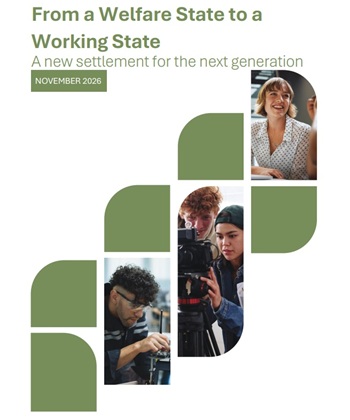
CIOB responds to Neets report.
Grenfell Tower community update
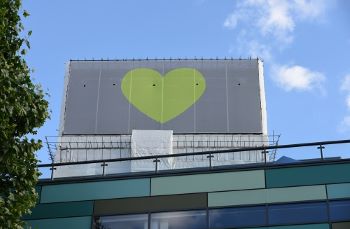
Memorial columns to be retained as careful dismantling continues.
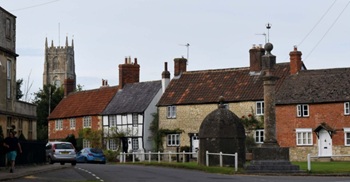
When buildings reflected the local resources available.

CIOB reports 57% are using artificial intelligence technologies.
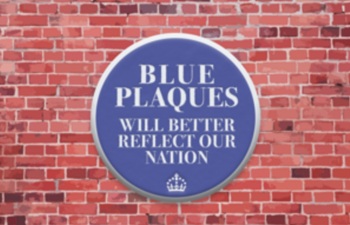
More of England’s ‘hidden heroes’ will be celebrated.

CIAT calls for retrofit to be a priority.
Version 6 is now available, along with guidance for ECA members.

Post-War Homes: mid-century British architecture. Book review.

CIAT reflects on the party conferences.

CIOB announce the winners of the Art of Building photography competition.